Coders Bootcamp

Future Coders Bootcamp

2-Week Coding Camp: HTML, Python & JavaScript

Program Overview

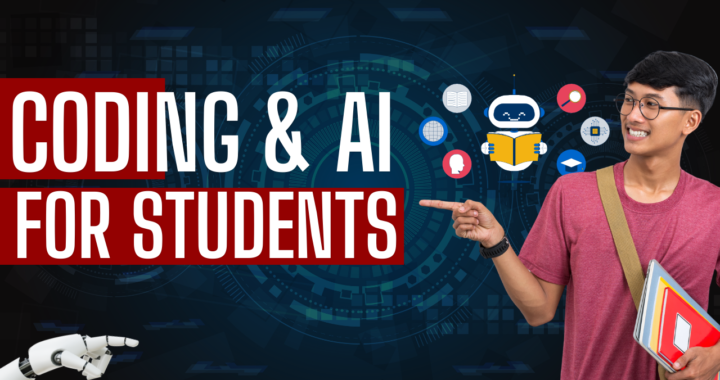
The Future Coders Bootcamp is a two-week intensive coding camp designed to introduce students to the fundamentals of programming and web development using HTML, Python, and JavaScript. Delivered through a hybrid format (on Zoom and on location), the program combines live instruction, hands-on coding labs, and real-world projects.

Participants learn how websites are built, how programs work, and how to think logically and solve problems using code. By the end of the camp, students will have created their own websites, interactive features, and Python programs—building confidence and foundational skills for future learning in technology.

No prior coding experience is required.

Who the Program Is For

Youth and teens (ages 12–18, adjustable)

Beginners interested in technology and coding

Students exploring STEM and digital careers

Schools and community groups

Program Structure

Duration: 2 weeks (10 sessions)

Schedule: 2–3 hours per day

Format: Hybrid (Zoom + In-Person)

Instruction Style: Live teaching, guided practice, project-based learning

What Students Will Learn
Web Development with HTML

Students learn:

How websites are structured

HTML tags and elements

Creating text, images, links, and layouts

Styling with CSS

Students learn:

Colors, fonts, and spacing

Page layout and design

Making websites look professional

Programming with Python

Students learn:

Variables and data types

User input and output

Logic, conditions, and loops

Simple automation and games

Interactivity with JavaScript

Students learn:

Basic JavaScript syntax

Buttons and events

Adding interactive features to websites

Hands-On Projects

Students build:

A personal website

Interactive quizzes or games

A Python calculator or game

A final capstone project of their choice

Capstone Project

At the end of the program, students complete a Final Coding Project, such as:

An interactive website

A Python game or app

A hybrid web application

Students present their projects to peers and families.

Hybrid Learning Experience
On Zoom

Live instruction and demos

Screen sharing and code reviews

Breakout rooms for collaboration

On Location

In-person coding support

Team-based projects

Hands-on guidance

Final presentations

Program Outcomes

By completing the Future Coders Bootcamp, students will:

Understand how websites work

Write basic programs in Python

Add interactivity using JavaScript

Build real coding projects

Develop problem-solving skills

Gain confidence in technology

Why Future Coders Bootcamp Works

This program is:

Beginner-friendly – no experience required

Hands-on – learn by doing

Project-based – real outcomes

Hybrid-ready – flexible delivery

Career-aligned – future-focused STEM skills

ETR Future Coders Bootcamp
2-Week Coding Camp: HTML, Python & JavaScript
Program Overview
The Future Coders Bootcamp is a two-week intensive coding camp designed to introduce students to the fundamentals of web development and programming using HTML, Python, and JavaScript. The program combines live instruction, hands-on coding labs, and real-world projects delivered through a hybrid format (on Zoom and on location).
Participants learn how websites are built, how programs think, and how to solve problems using code. By the end of the camp, students will have created their own websites, interactive web features, and Python programs—building confidence and foundational skills for future careers in technology.
This camp is ideal for beginners and requires no prior coding experience.
________________________________________
Program Details
• Age Group: 12–18 (adjustable)
• Duration: 2 weeks (10 days total)
• Schedule: 2–3 hours per day
• Format: Hybrid (Zoom + In-Person)
• Tools: VS Code, Replit, GitHub, Browser Dev Tools
________________________________________
Learning Outcomes
By the end of the camp, students will:
• Understand how websites work
• Build and style their own web pages
• Write basic programs in Python
• Add interactivity using JavaScript
• Think logically and solve problems
• Collaborate on coding projects
• Present a final coding project
________________________________________
Curriculum Structure
Week 1 – Web Foundations (HTML + Intro JavaScript)
Day 1: Introduction to Coding & the Web
Topics:
• What is coding?
• How the internet works
• HTML structure
• Tags, elements, and attributes
Activity:
Students build their first web page with text, images, and links.
________________________________________
Day 2: HTML Layout & Design
Topics:
• Headings, lists, tables
• Divs and sections
• Page structure
• Best practices
Project:
Create a personal “About Me” website.
________________________________________
Day 3: Styling with CSS
Topics:
• Colors and fonts
• Layout basics
• Spacing and borders
• Responsive design
Project:
Style the website to look professional.
________________________________________
Day 4: JavaScript Basics
Topics:
• Variables
• Alerts and prompts
• Buttons and events
• Basic logic
Project:
Add interactive buttons to the website.
________________________________________
Day 5: Mini Web Project
Students build:
• A quiz
• A game page
• A portfolio page
They present their website at the end of Week 1.
________________________________________
Week 2 – Python Programming + Final Project
Day 6: Python Fundamentals
Topics:
• What is Python?
• Variables and data types
• Print and input
• Basic math
Project:
Build a simple calculator.
________________________________________
Day 7: Logic & Decision Making
Topics:
• If/else statements
• Conditions
• User input
Project:
Create a “Choose Your Adventure” game.
________________________________________
Day 8: Loops & Functions
Topics:
• For loops
• While loops
• Functions
Project:
Create a number guessing game.
________________________________________
Day 9: Real-World Python
Topics:
• Lists and dictionaries
• File handling
• Automation examples
Project:
Build a contact manager or to-do app.
________________________________________
Day 10: Final Capstone Project
Students choose:
• Interactive website
• Python game
• Hybrid web app
They present projects to parents and peers.
________________________________________
Teaching Method
The camp uses:
• Live coding demos
• Guided practice
• Pair programming
• Real-time feedback
• Daily challenges
• Project-based learning
________________________________________
Hybrid Delivery Model
On Zoom:
• Live instruction
• Screen sharing
• Breakout rooms
• Coding challenges
On Location:
• Instructor support
• Team projects
• Hardware setup
• Presentations
________________________________________
Final Student Deliverables
Each student leaves with:
• Personal website
• Python program
• GitHub profile
• Certificate of completion
• Recorded project demo
________________________________________
Career & Future Pathways
This camp introduces pathways into:
• Web Development
• Software Engineering
• Game Development
• Data Science
• AI & Automation
• Cybersecurity
Farming Education and Training

Urban Farm Education Program

Hands-On Learning in Sustainable Agriculture & Environmental Stewardship

Program Overview

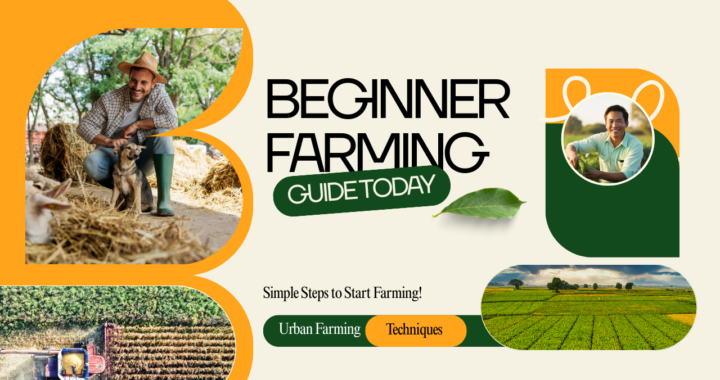
The Urban Farm Education Program is a hands-on, immersive learning experience that connects participants of all ages with the origins of their food, the importance of sustainable agriculture, and the natural world around them. With a focus on urban farming, the program uses interactive workshops, guided farm tours, and seasonal activities to teach practical skills in planting, harvesting, soil health, composting, animal care, and environmental stewardship.

Participants learn through real farm experiences, gaining a deeper understanding of how food systems impact health, communities, local economies, and the environment. The program promotes curiosity, responsibility, teamwork, and respect for nature while encouraging healthy lifestyles and community engagement.

Who the Program Is For

Youth, teens, adults, and families

Schools, community groups, and organizations

Individuals interested in food, nature, and sustainability

No prior farming experience required

Program Structure

Program Length: 8–16 weeks (seasonal)

Format: In-person, outdoor experiential learning

Schedule Options: After-school, weekends, summer programs

Delivery Style: Workshops, farm tours, hands-on activities

Core Program Areas
1. Urban Farming & Food Systems

Participants learn:

What urban farming is and why it matters

Where food comes from

Local vs industrial food systems

Food access and food justice

2. Soil, Composting & Plant Health

Participants learn:

How soil supports plant growth

Composting and waste reduction

Organic growing methods

How to build healthy garden beds

3. Planting, Growing & Harvesting

Participants learn:

Seed starting and transplanting

Seasonal crop cycles

Watering and plant care

Safe harvesting techniques

4. Animal Care (If Applicable)

Participants learn:

Basic animal care and feeding

The role of animals in farming

Ethical and humane practices

Responsibility and stewardship

5. Sustainability & Environmental Stewardship

Participants learn:

Climate change and agriculture

Water and energy conservation

Biodiversity and pollinators

Eco-friendly farming practices

6. Food, Nutrition & Community Health

Participants learn:

Nutritional value of fresh foods

Farm-to-table concepts

Healthy cooking basics

Community food systems

Capstone Experience

Participants complete a hands-on project, such as:

Designing a garden bed

Building a compost system

Hosting a community farm tour

Creating a produce stand

Leading a sustainability activity

Program Outcomes

By completing the Urban Farm Education Program, participants will:

Understand where food comes from

Gain hands-on farming skills

Learn sustainable practices

Build environmental awareness

Develop healthy habits

Strengthen community connection

Why Our Farm Program Works

Our program is:

Hands-on – learning by doing

Experiential – outdoor, real-world learning

Seasonal – aligned with nature

Community-based – local impact

Sustainability-focused – future-oriented

Inclusive – accessible for all ages

Urban Farm Education Program Curriculum

Hands-On Learning in Sustainable Agriculture, Food Systems, and Environmental Stewardship

Program Overview

The Urban Farm Education Program is a hands-on, immersive learning experience designed to connect youth, families, and community members with the origins of their food and the principles of sustainable agriculture in an urban environment. The program introduces participants to farming practices through interactive workshops, guided farm tours, and seasonal activities that reflect real-world food production.

Participants gain practical knowledge in planting, harvesting, soil health, composting, animal care, and environmental stewardship. By engaging directly with the land, crops, and food systems, learners develop a deeper understanding of how agriculture supports healthy communities, local economies, and global sustainability.

The program emphasizes experiential learning—students learn by doing. Participants work in gardens, greenhouses, and farm spaces while developing responsibility, teamwork, leadership, and respect for nature.

By the end of the program, participants:

Understand where food comes from

Gain basic farming and gardening skills

Learn principles of sustainability and ecology

Develop healthy lifestyle habits

Build environmental awareness and community connection

Program Structure

Target Group: All ages (youth, teens, adults, families)
Program Length: 8–16 weeks (flexible and seasonal)
Format: In-person, outdoor learning
Schedule Options: After-school, weekends, summer programs

The curriculum is delivered in 6 progressive learning modules, each aligned with seasonal farm cycles.

Module 1: Introduction to Urban Farming & Food Systems
Purpose

Participants learn what urban farming is and why it is important for communities, health, and the environment.

Key Topics

What is urban agriculture?

Where does our food come from?

Local vs industrial food systems

Food justice and food access

The role of farms in cities

Learning Outcomes

Participants will:

Understand the basics of urban farming

Identify different types of farms (community gardens, rooftop farms, vertical farms)

Recognize how farming connects to nutrition and health

Example Activities

Take a guided farm tour

Compare grocery store produce with farm-grown produce

Map out where daily foods originate

Group discussion: “How does food reach our plate?”

Module 2: Soil, Composting & Plant Health
Purpose

Participants learn that healthy soil is the foundation of healthy food.

Key Topics

Soil types and nutrients

Composting and waste reduction

Organic vs chemical fertilizers

Soil organisms (worms, microbes)

Mulching and moisture retention

Learning Outcomes

Participants will:

Understand what makes soil healthy

Learn how compost supports plant growth

Identify sustainable soil practices

Example Activities

Create a compost bin

Test soil texture and pH

Observe worms and microorganisms

Mix compost into garden beds

Module 3: Planting, Growing & Harvesting
Purpose

Participants learn the full life cycle of plants from seed to harvest.

Key Topics

Seed selection

Germination and transplanting

Watering techniques

Seasonal crops

Harvesting methods

Learning Outcomes

Participants will:

Plant seeds and seedlings

Understand plant growth stages

Learn how to harvest safely and responsibly

Example Activities

Start seeds in trays

Transplant crops into garden beds

Track plant growth in journals

Harvest vegetables and herbs

Module 4: Urban Animal Care (If Applicable)
Purpose

Participants learn how animals contribute to food systems and ecosystems.

Key Topics

Chickens, bees, goats (if available)

Feeding and care routines

Animal habitats

Ethics of animal farming

Benefits of animals in agriculture

Learning Outcomes

Participants will:

Understand basic animal care

Learn animal roles in food systems

Develop responsibility and empathy

Example Activities

Feed and clean animal spaces

Collect eggs

Observe bee pollination

Design a safe animal habitat

Module 5: Sustainability & Environmental Stewardship
Purpose

Participants learn how farming impacts the planet and how sustainable practices protect natural resources.

Key Topics

Climate change and agriculture

Water conservation

Renewable energy

Biodiversity

Pollution and waste

Learning Outcomes

Participants will:

Understand environmental challenges

Learn eco-friendly farming practices

Develop stewardship values

Example Activities

Build rainwater collection systems

Create pollinator gardens

Conduct waste audits

Plant trees or native plants

Module 6: Food, Nutrition & Community Health
Purpose

Participants connect farming to healthy living and community well-being.

Key Topics

Nutrition basics

Farm-to-table

Cooking with fresh produce

Food preservation

Community food access

Learning Outcomes

Participants will:

Understand the nutritional value of fresh foods

Learn basic cooking skills

Develop healthy eating habits

Example Activities

Prepare meals using harvested crops

Create healthy recipes

Host community tasting events

Build a weekly farm produce box

Capstone Project: Community Farm Project

Each participant completes a Capstone Experience, such as:

Designing and maintaining a garden bed

Creating a compost system

Hosting a farm tour for families

Building a community produce stand

Leading a sustainability workshop

Career & Life Skills (Integrated Throughout)

Participants also develop:

Transferable Skills

Teamwork

Responsibility

Time management

Problem-solving

Leadership

Career Pathways Introduced

Urban agriculture

Environmental science

Sustainability careers

Landscaping and gardening

Food entrepreneurship

Community development

Program Outcomes

By completing the Urban Farm Education Program, participants will:

Gain hands-on farming skills

Understand sustainable food systems

Build environmental awareness

Improve health and nutrition knowledge

Strengthen community connection

Develop respect for nature and the land

Multimedia, Television and Film Production

Multimedia & Television Production Program – Overview

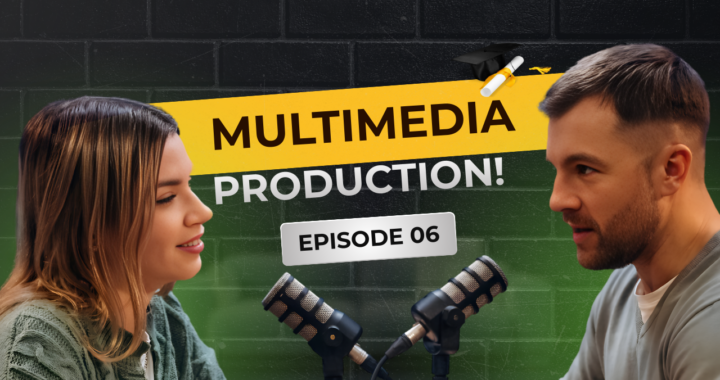
The Multimedia and Television Production Program is a dynamic, hands-on training experience designed to engage and inspire youth while building real-world skills for careers in media, broadcasting, and the creative industries. The program introduces participants to the full production process—from concept development and scriptwriting to filming, editing, and post-production—using industry-standard equipment and professional creative techniques.

Through the creation of original projects such as short films, talk shows, documentaries, live broadcasts, and digital series, students gain practical experience in storytelling, teamwork, communication, and technical media production. Participants learn how to operate cameras and audio equipment, work collaboratively in production teams, develop compelling narratives, and deliver polished content for both broadcast and digital platforms.

The program emphasizes project-based learning and real-world application, allowing students to build confidence, leadership skills, and a professional media portfolio. By the end of the program, youth are equipped with the technical knowledge, creative abilities, and workforce readiness needed to pursue opportunities in film, television, digital media, content creation, and related creative technology fields.

Whether students aspire to work behind the camera, in front of the camera, or in creative and technical production roles, the Multimedia and Television Production Program provides a strong foundation for academic success, career exploration, and long-term professional growth.

Multimedia & Television Production Curriculum
Youth Training for Media, Broadcasting, and Digital Storytelling Careers
Program Overview
The Multimedia and Television Production Program is a hands-on, career-focused training experience designed to prepare youth for opportunities in media, broadcasting, film, and digital content creation. The program introduces students to the full production pipeline—from concept development to post-production—while building essential technical, creative, and professional skills.
Participants learn by doing. Students work individually and in teams to create real media projects including short films, talk shows, documentaries, live broadcasts, and digital series. Through this process, youth develop storytelling abilities, communication skills, leadership, and technical expertise using industry-standard tools and workflows.
By the end of the program, students graduate with:
• A professional media portfolio
• Real production experience
• Career-ready technical skills
• Confidence working in creative teams
• Clear pathways into media and creative industries
________________________________________
Program Structure
Target Group: Ages 13–24
Program Length: 12–24 weeks (flexible)
Format: In-person, hybrid, or virtual
Schedule Options: After-school, weekends, summer intensives
The curriculum is delivered in 6 progressive modules, each building toward a final capstone production project.
________________________________________
Module 1: Media Foundations & Industry Overview
Purpose
Students gain an understanding of the media landscape and how television, film, and digital content are produced professionally.
Key Topics
• Introduction to media careers
• Film, TV, and digital platforms
• Production roles (director, producer, editor, camera operator, host)
• Media ethics and representation
• Media literacy and storytelling basics
Learning Outcomes
Students will:
• Understand how media impacts society
• Identify different media career pathways
• Learn the basic structure of a production team
Example Activities
• Analyze popular TV shows and digital series
• Map out roles for a student production team
• Create a simple story pitch
________________________________________
Module 2: Concept Development & Scriptwriting
Purpose
Students learn how to transform ideas into structured media concepts and scripts.
Key Topics
• Brainstorming and ideation
• Story structure (beginning, middle, end)
• Script formatting
• Character development
• Interview and documentary scripting
Learning Outcomes
Students will:
• Develop original media concepts
• Write scripts for film, TV, and digital content
• Collaborate creatively in writers’ rooms
Example Projects
• Write a short film script
• Create a talk show outline
• Develop a documentary concept
• Write interview questions for a host
________________________________________
Module 3: Camera, Lighting & Sound
Purpose
Students gain technical skills in capturing high-quality visual and audio content.
Key Topics
• Camera operation and framing
• Shot types and camera movement
• Lighting techniques
• Microphones and audio recording
• On-set safety and equipment handling
Learning Outcomes
Students will:
• Operate cameras confidently
• Set up lighting for different scenes
• Record clean, professional audio
• Understand visual storytelling
Example Projects
• Film a two-person interview
• Record a short scene using three camera angles
• Create a lighting setup for a studio talk show
________________________________________
Module 4: Directing & Production Management
Purpose
Students learn how to manage a production from planning to execution.
Key Topics
• Directing fundamentals
• Production schedules and shot lists
• Storyboarding
• Team leadership
• Problem-solving on set
Learning Outcomes
Students will:
• Direct scenes and performances
• Manage time and resources
• Communicate effectively with crew
• Lead creative teams
Example Projects
• Direct a short scripted scene
• Create a production plan for a live broadcast
• Storyboard a music video
________________________________________
Module 5: Editing & Post-Production
Purpose
Students learn how raw footage becomes polished media content.
Key Topics
• Video editing techniques
• Sound mixing and music
• Visual effects basics
• Color correction
• Exporting for TV and social media
Learning Outcomes
Students will:
• Edit full video projects
• Add music and graphics
• Create professional intros and credits
• Prepare content for online platforms
Example Projects
• Edit a short film
• Create a social media trailer
• Produce a highlight reel
________________________________________
Module 6: Broadcasting & Digital Media
Purpose
Students explore live production and digital distribution.
Key Topics
• Live streaming fundamentals
• Studio production
• Hosting and on-camera skills
• YouTube and podcast production
• Audience engagement
Learning Outcomes
Students will:
• Host and produce live shows
• Understand broadcast workflows
• Build digital audiences
• Manage online content
Example Projects
• Produce a live talk show
• Launch a student news segment
• Create a weekly digital series
________________________________________
Capstone Project: Full Media Production
Each student completes a Capstone Project, choosing one:
• Short film
• Documentary
• Talk show pilot
• Podcast series
• Live broadcast event
• Digital content channel
Students take on real production roles and deliver a final professional project.
________________________________________
Professional Portfolio
Every student graduates with:
• Demo reel
• Edited video projects
• Behind-the-scenes production work
• On-camera or technical samples
• Resume and media bio
This portfolio can be used for:
• College applications
• Internships
• Job interviews
• Freelancing
• Grants and competitions
________________________________________
Career & Workforce Skills (Integrated Throughout)
Students also develop:
Professional Skills
• Communication
• Teamwork
• Time management
• Leadership
• Creative problem-solving
Career Readiness
• Resume building
• Interview training
• Media industry etiquette
• Freelancing basics
• Entrepreneurship
________________________________________
Career Pathways This Program Supports
This curriculum prepares students for real careers in:
Media & Entertainment
• Film production
• Television broadcasting
• Video editing
• Directing
• Producing
Digital & Creative
• Content creation
• Social media management
• Podcast production
• Streaming platforms
• Creative entrepreneurship
Technology & Communications
• Digital marketing
• Media technology
• Live event production
• Online platforms

Youth Education & Training Programs

ETR Future Pathways Program

Youth & Young Adult Career Development in Media, Technology, and the Creative Arts

Program Overview

The Future Pathways Program is a comprehensive education and workforce development initiative designed to prepare youth and young adults for success in today’s digital and creative economy. Our program combines core academic support with hands-on training in multimedia production, creative technology, and professional development.

Participants gain real-world experience through project-based learning, collaborative media projects, and career-focused instruction. By blending academic foundations with practical skill-building, the program empowers students to build confidence, develop marketable skills, and create pathways into higher education, employment, and entrepreneurship.

Who the Program Is For

Youth and young adults ages 13–24

Students interested in media, technology, arts, and digital careers

Emerging creatives, entrepreneurs, and future professionals

Individuals seeking career readiness and practical life skills

No prior experience is required — just curiosity, creativity, and commitment.

Program Structure

The Future Pathways Program is delivered through a modular, stackable format, allowing students to enter at different levels and progress at their own pace.

Program Length: 6–12 months

Format: In-person, hybrid, or virtual

Schedule: After-school, weekends, or full-day cohorts

Class Style: Hands-on workshops, labs, and collaborative projects

Each module builds toward a final capstone project and professional portfolio.

Core Program Areas
1. Academic Foundations

Students receive academic support in:

Real-world math and financial literacy

Reading comprehension and professional writing

Communication and presentation skills

Applied science and technology concepts

These foundational skills help students strengthen confidence, improve school performance, and connect academics to real career applications.

2. Digital Media & Creative Arts

Students explore creative industries through hands-on training in:

Video and multimedia production

Graphic design and visual arts

Music and audio production

Creative writing and storytelling

Participants learn to use industry tools while developing original content such as short films, podcasts, digital artwork, and media campaigns.

3. Technology & AI Skills

Students gain future-ready technical skills in:

Website creation and digital platforms

Basic coding and content systems

Artificial intelligence and automation tools

Digital workflows and productivity systems

These skills prepare students for emerging careers in tech, digital marketing, and automation.

4. Career & Workforce Readiness

Students build professional skills including:

Resume and portfolio development

Interview preparation

Workplace communication

Time management and leadership

Participants also receive guidance in freelancing, entrepreneurship, and personal branding.

Capstone & Portfolio Experience

Every participant completes a Capstone Project that reflects their interests and career goals. Examples include:

Producing a short documentary

Launching a podcast series

Creating a brand identity for a business

Building a personal website

Students graduate with a professional digital portfolio showcasing their skills, projects, and creative work.

Industry Exposure

The program includes:

Guest speakers from media and tech industries

Workshops led by professionals

Internships and apprenticeship opportunities

Optional industry certifications

This exposure helps students build networks, gain insight into career pathways, and understand real workplace expectations.

Program Outcomes

By completing the Future Pathways Program, students will:

Develop career-ready technical skills

Build a professional digital portfolio

Gain confidence and leadership abilities

Improve academic and communication skills

Explore career and entrepreneurial pathways

Be prepared for employment, college, or self-employment